Muscle group

Best Calves Exercises

9 calves exercises across 3 difficulty levels. Step-by-step instructions, targeted muscle groups, and the equipment you need, pulled from Sculpt's training catalog.

Overview

About calves training

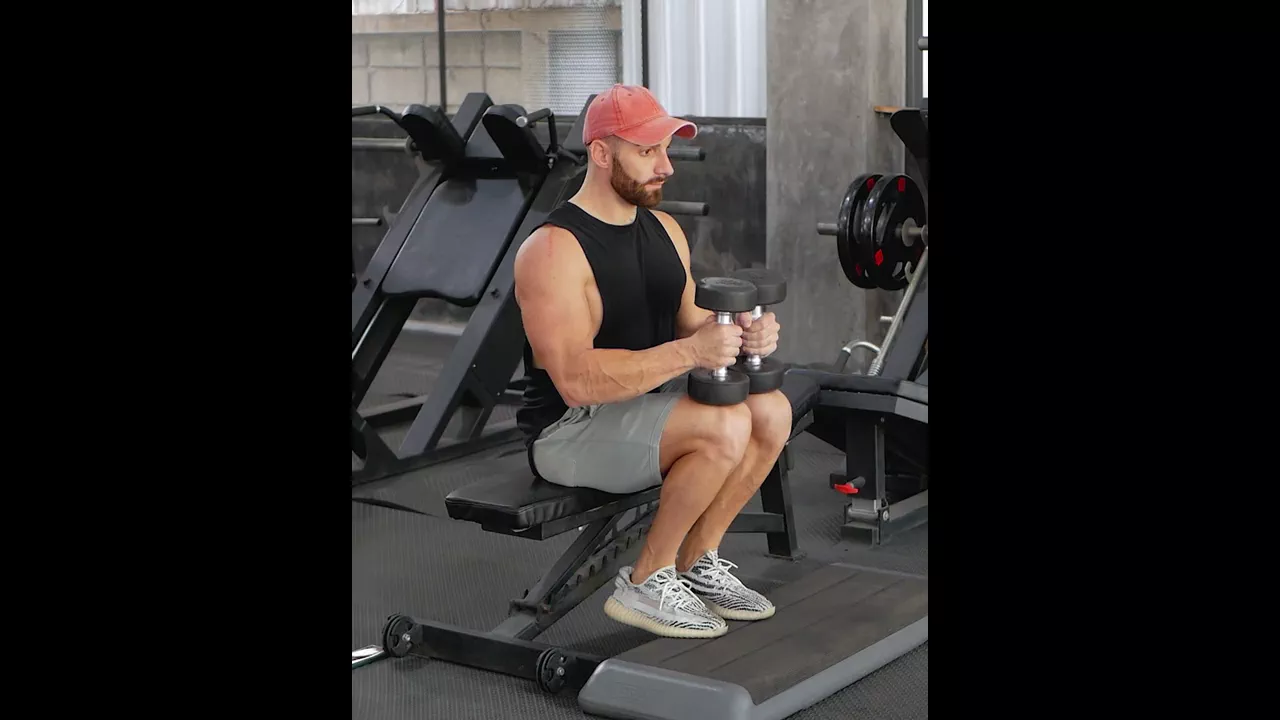
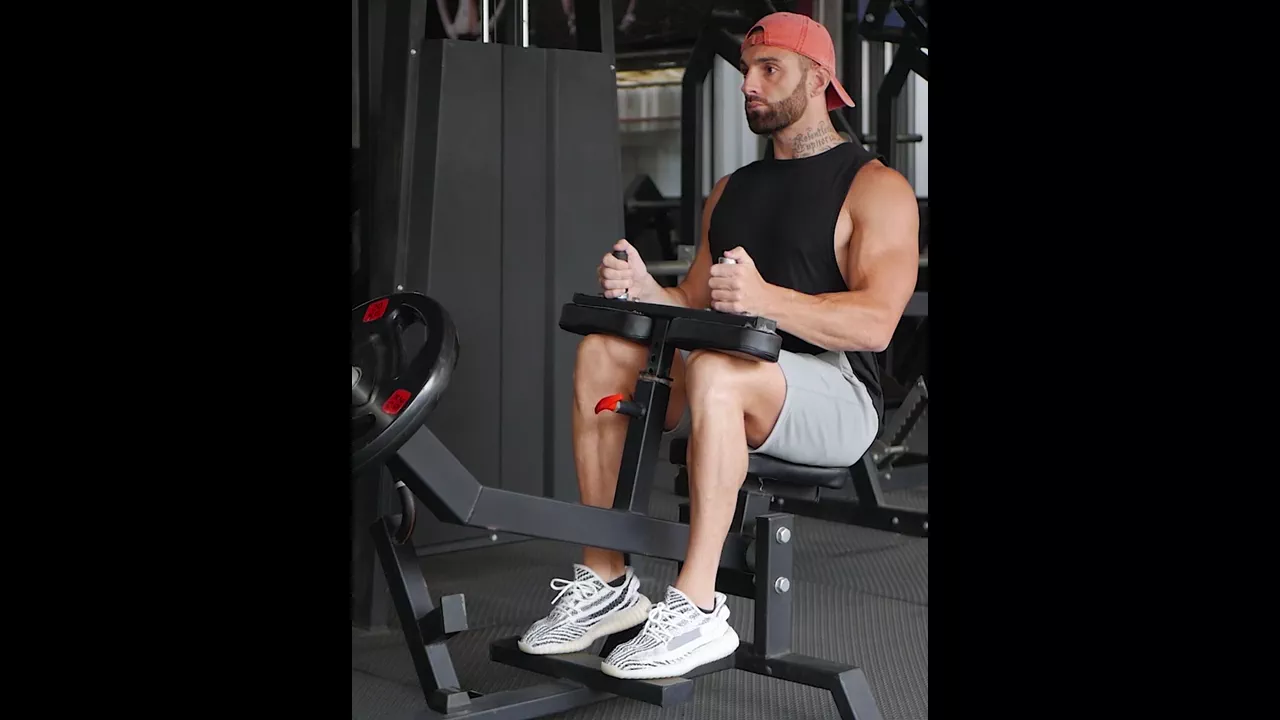
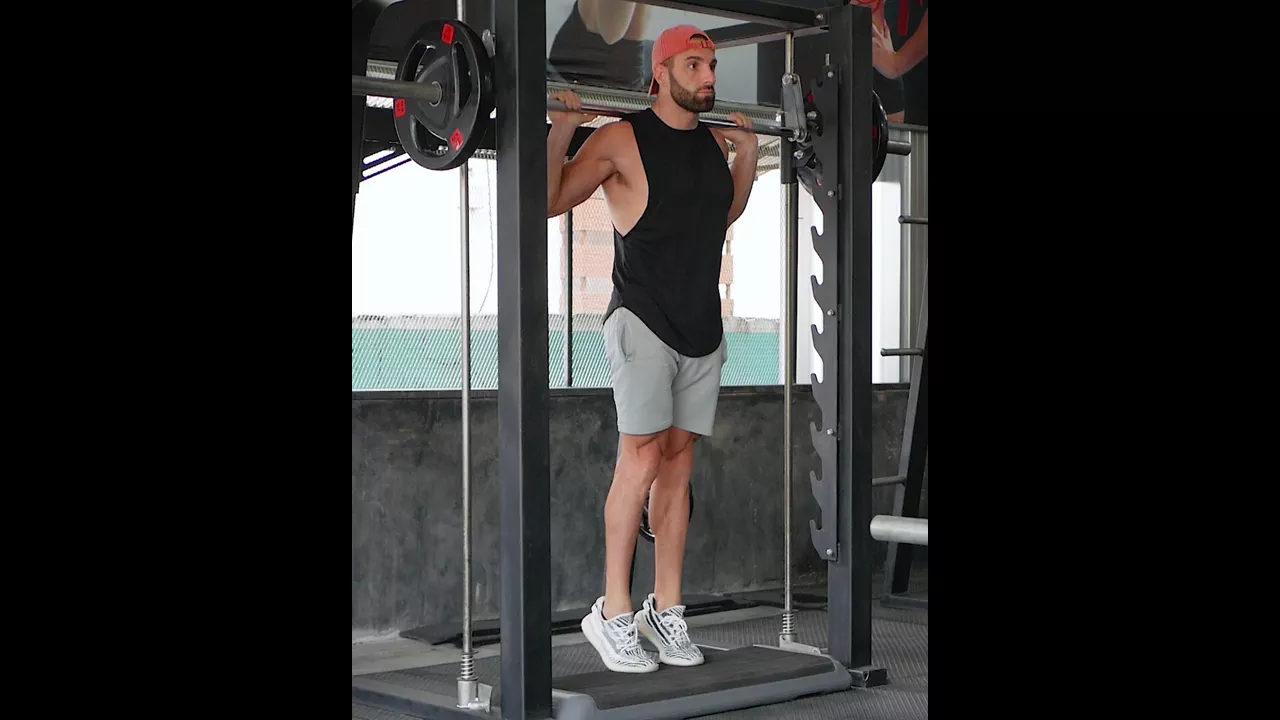
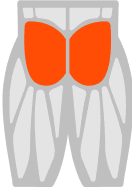
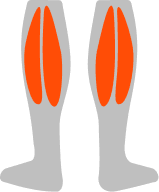
The calves consist of two muscles: the gastrocnemius (the larger, visible calf muscle with two heads) and the soleus (a flat muscle beneath it). The gastrocnemius is most active when the knee is straight (standing calf raises), while the soleus is best targeted with the knee bent (seated calf raises). Both muscles perform plantarflexion (pointing the toes). The calves have a high proportion of slow-twitch fibers and respond to both heavy loads and higher rep ranges.

Training tips

How to train effectively

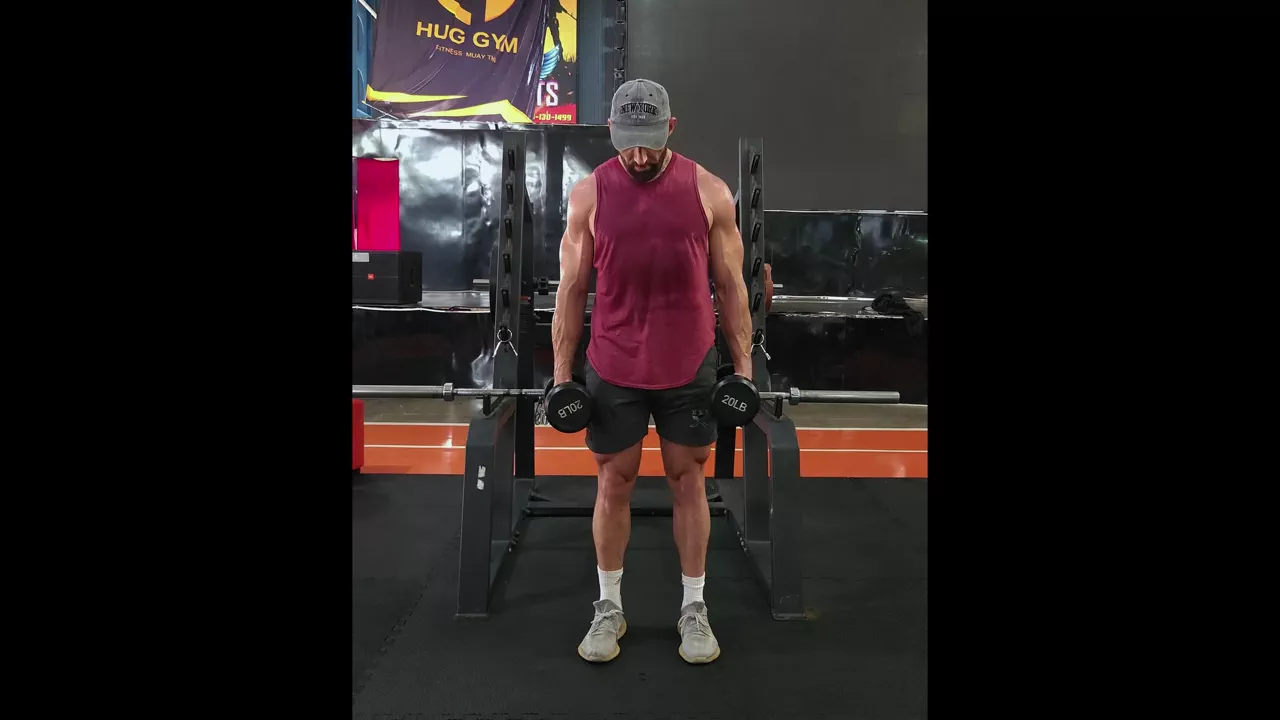
  • Train both standing and seated calf raises. Standing targets the gastrocnemius, seated targets the soleus. Skipping either leaves half the calf underdeveloped.
  • Pause at the bottom stretch for 2 to 3 seconds. The calves benefit from stretch-mediated tension more than most muscle groups.
  • Use a full range of motion. Let the heel drop below the platform at the bottom and rise fully onto the toes at the top.
  • Train calves 3 to 4 times per week. They recover quickly and are accustomed to high daily workloads from walking.
Common mistakes

What to avoid

  • Bouncing at the bottom of calf raises. This uses the Achilles tendon as a spring and removes tension from the muscle.
  • Only doing standing calf raises. The soleus (trained seated) makes up a large portion of calf mass and is often neglected.
  • Expecting fast results. The calves are genetically determined to a large degree, but consistent training with full range of motion will produce visible improvement over time.

9 exercises

The adaptive health app

Bring training, nutrition, and recovery into one system.

Sculpt synthesizes every input from your body and your training, then builds the plan. No spreadsheets. No guessing.